
Sustainable Living and Fashion: Influencer Insights
How YouTube creators like J.J. McCullough shape sustainable fashion: practical steps, trend breakdowns, and a 30-day plan to green your wardrobe.
In 2026, sustainable fashion is no longer a niche — it's a lifestyle decision that intersects with travel, tech, parenting and personal branding. This deep-dive connects the green style movement to the practical insights creators on YouTube bring to the table, including the thoughtful commentary of creators like J.J. McCullough. Expect actionable wardrobe strategies, trend breakdowns, and a realistic plan to make your closet more eco-friendly without sacrificing style, all grounded in real-world use cases and resources from our guide library.
Why Influencers Matter for Sustainable Fashion
How creators shape shopping behavior
YouTube influencers translate abstract sustainability claims into tangible choices: outfit formulas, care instructions, and resale strategies. They show audiences how to evaluate materials, spot greenwashing, and build outfits that last. For lessons on authenticity and storytelling that creators use to persuade, see our piece on The Importance of Personal Stories, which explains how narrative builds trust — essential when an influencer recommends a brand with eco-credentials.
Case study: J.J. McCullough and thoughtful commentary
J.J. McCullough is known for contextual, research-driven videos. While his primary focus has not been fashion, his approach — evidence-first commentary and nuanced viewpoints — is a model for sustainable fashion creators. When a creator combines research with wardrobe experimentation, viewers get more than an aesthetic: they get a disciplined method. For broader lessons on crafting authenticity that fashion creators borrow from entertainment and culture, check out Future-Proofing Your SEO with Strategic Moves.
Why micro-influencers often outperform big names
Micro-influencers tend to have higher engagement on niche topics like capsule wardrobes or fabric care. Their audiences expect hands-on tips — how to spot a well-made seam, which brands offer transparent supply chains, and where to buy secondhand. For models on niche audience engagement and creator partnerships, see advice on navigating the future of content.
Core Eco-Friendly Trends in Fashion (2026)
Regenerative and low-impact materials
Brands are investing in regenerative agriculture for cotton and alternative fibers like hemp and Tencel. These materials reduce water use, improve soil health, and often require fewer chemical inputs. When a creator highlights a fabric, they typically explain environmental trade-offs and care strategies that extend garment life.
Resale, rental, and circular business models
Resale platforms and rental services reduce demand for new production. Influencers show how to style rented pieces across multiple looks, increasing perceived value. Our guide on smart saving explains how to buy recertified or secondhand goods wisely: Smart Saving for Recertified Products — the principles translate to clothing and accessories.
Tech-enabled transparency
QR codes, blockchain tracing, and detailed supply chain reports are now common. Creators often scan labels and report back to viewers, educating them on certifications and manufacturing practices. For a look at how tech and e-commerce change value and trust, read What Tech and E-commerce Trends Mean.
Building a Sustainable Wardrobe: The 6-Piece Method
Choose versatile base pieces
Start with a neutral blazer, tailored trousers, a quality tee, a knit, a denim piece, and a versatile shoe. Influencers often show 20 looks created from six items — this approach creates immediate buy-in because it saves money and reduces impulse purchases. For textile-focused inspiration that helps choose cozy, long-lasting pieces, see Creating a Cozy Reading Nook, which surprisingly offers fiber-centric tips applicable to garments.
Layering and accessory strategy
Accessories multiply outfit combinations. Sustainable accessories include reclaimed-metal jewelry, vegan-leather belts made from apple or pineapple fibers, and smart eyewear that’s repairable. The role of design in wearables is expanding — for how style blends with tech, explore The Role of Style in Smart Eyewear.
Maintenance and repair
Repair extends a garment’s lifespan: learn basic mending, replace buttons, and re-sole shoes. Influencers frequently demonstrate DIY repairs in videos. For a perspective on sustainable career models and long-term thinking that translate to sustainable consumer habits, see Building Sustainable Careers in Music (lessons on longevity apply to wardrobes).
How to Vet “Green” Claims: A Creator’s Checklist
Look for material specifics
Vague terms like "eco-friendly" or "green" are red flags. True claims mention fibers, certifications (GOTS, OEKO-TEX), and supplier transparency. Influencers who do deep dives will request factory photos and mill certifications from brands and share findings with followers.
Assess life-cycle thinking
Does the brand discuss end-of-life for the garment? Are there take-back or repair programs? Influencers may test these programs live — and report whether returns are seamless. For insights into product lifecycle and energy, see lessons on energy efficiency in unexpected sectors like Energy Efficiency in AI Data Centers — it’s a reminder that systems thinking matters across industries.
Check pricing against production realities
Ultra-cheap 'sustainable' items rarely are. Influencers increasingly call out pricing that doesn't match claimed production values. For guidance on maximizing value and avoiding false economies, look at consumer savings strategies in Maximize Value: Family-Friendly Deals.
Practical Styling: From YouTube Tips to Your Closet
Recreate looks with low-impact swaps
When a creator styles a high-fashion look, they often demonstrate low-cost swaps (e.g., organic cotton tee instead of viscose blend). Document these swaps in a lookbook so you can replicate them. Our piece on practical packing and travel bags sheds light on curated essentials: The Rise of Digital Nomad Travel Bags — the same principle of curated essentials helps wardrobe curation.
Capsule wardrobes for seasons
Seasonal capsules reduce over-buying. Influence-driven capsule videos often show transition pieces that pack well and layer for multiple climates. For ideas on curating seasonal comfort, our winter essentials guide has textile and layering cues: The Perfect Cozy Night In.
One-click shopping vs. mindful waits
Influencers influence impulsive buying — but many now promote 'waiting lists' and 30-day ponder periods. This reduces returns and buyer's remorse. For ecommerce integrations that support smooth buying and post-purchase services, study how platforms optimize payments and experience in Harnessing HubSpot for Seamless Payment Integration.
Comparing Sustainable Shopping Options
Below is a quick reference table to help you choose between buying new sustainable, buying secondhand, renting, or repairing:
| Option | Typical Cost | Environmental Impact | Best For | Key Creator Tip |
|---|---|---|---|---|
| New, certified sustainable | Medium–High | Lower production impact if certified | Basics and tailored items | Verify certifications and supplier transparency |
| Secondhand / Thrift | Low–Medium | Very low (reuse benefits) | Unique pieces and denim | Inspect seams, labels, and repairs |
| Rental / Subscription | Monthly | Depends on logistics (laundry/transport) | Special occasions and trend-forward styles | Factor in shipping footprint |
| Recertified / Upcycled | Low–Medium | Low | Accessories and statement pieces | Ask about source materials and methods |
| Repair / Maintain | Very Low | Lowest | Heirlooms and favorites | Learn basic mending skills |
For planning your purchases with technology and logistics in mind — especially if you travel often — read about portable power and on-the-go essentials in Portable Power: Finding the Best Battery.
Shopping Channels Creators Use (and Recommend)
Direct-to-consumer sustainably-minded brands
D2C brands with transparent pricing are often favored by creators because they can probe pricing and impact. For how brands leverage SEO and collaborations to reach audiences, explore Future-Proofing Your SEO.
Marketplace and resale platforms
Creators recommend specific resale marketplaces that authenticate items and offer returns. This lowers buyer risk when purchasing pre-owned. If you’re looking to maximize savings while making sustainable choices, our consumer deal insights can help: Maximize Value.
Rental services for trend testing
Rentals let you wear a designer piece for special events without the ownership footprint. Creators do side-by-side tests: is the rental clean, do repairs happen, what’s the shipping lifecycle? For related logistics and travel lifestyle considerations, see The Rise of Digital Nomad Travel Bags.
Care, Tech, and Home Practices That Keep Clothes Longer
Smart washing and drying
Cold wash, gentle cycles, and air-dry whenever possible. Influencers often recommend garment bags and specialized detergents for longevity. For how smart home tech can help conserve resources, see Hydration Made Easy & Smart Plugs — smart tech principles reduce overall household resource use.
At-home repair and local tailors
Learning basic sewing or finding a reliable local tailor extends garment life. Creators sometimes hold repair-along livestreams to build community skills. For inspiration on crafting and care as mindful practices, check Invisible Creations.
Energy and logistics mindset
Consider the energy footprint of laundry and shipping returns. Creators now factor in emissions from frequent returns — and many advocate for conservative return policies to reduce waste. This systems-level thinking aligns with lessons in broader energy efficiency research, like How Intermodal Rail Can Leverage Solar Power.
Pro Tip: Treat your wardrobe like a portfolio. Diversify staples, invest in quality where it compounds, and use fast-fashion pieces as trend experiments rather than closet anchors.
Monetizing Sustainability: How Influencers Make It Work
Affiliate deals with transparency
Top creators disclose affiliate links and sponsorships while auditing product claims. Audiences reward transparency, so creators who publish sourcing details see higher trust. For content and partnership strategy, read Navigating Creator Partnerships.
Paid deep-dives and membership models
Paid newsletters or members-only videos let creators fund investigative work into sustainability claims. This model supports more rigorous vetting than one-off sponsored posts. For lessons on building sustainable career models across creative industries, see Building Sustainable Careers.
Workshops and product lines
Some creators launch repair workshops, capsule wardrobe courses, and responsibly-made product lines. When done well, these services increase audience skill and reduce waste. For guidance on integrating commerce and community, consult best practices in content monetization like AI Agents in Operations — automation can scale responsible commerce.
Action Plan: 30-Day Sustainable Wardrobe Challenge
Week 1 — Audit and plan
Inventory your closet, photograph items, and tag those you wear weekly. Create a simple spreadsheet with material notes and repair needs. Influencers recommend sharing your before-and-after to commit publicly, which increases follow-through. For inspiration on thoughtful curation, see tips on curating spaces and textiles in Creating a Cozy Reading Nook.
Week 2 — Mend, repair, and alter
Prioritize items that can return to regular use with small fixes. Learn a few mending techniques from creators and host a repair night with friends to swap skills. The social element reduces barriers to learning maintenance skills.
Week 3–4 — Buy smarter and test trends
Use resale for trend pieces, invest in two high-quality basics, and experiment with rental for special events. Track cost per wear and environmental impact qualitatively. Tech-savvy shoppers can use apps and tools to monitor their wardrobe investment; for device deals and efficiency, see Maximize Value and Portable Power guidance.
Frequently Asked Questions
Q1: Can I be both fashionable and sustainable?
A: Absolutely. Influencers demonstrate that deliberate curation, quality over quantity, and smart swaps let you stay on-trend while minimizing impact. Block-level thinking — buy to last, repair, and reuse — keeps looks fresh without overconsumption.
Q2: How do I avoid greenwashing?
A: Ask for specifics: fiber types, certifications, factory photos, and end-of-life programs. Influencers often publish checklists and request documentation publicly to hold brands accountable.
Q3: Is rental really more sustainable?
A: It depends. Rentals can reduce the need for new purchases, but consider shipping and cleaning logistics. For occasional pieces or one-off events, rentals are often the greener option.
Q4: How do I start thrifting without getting overwhelmed?
A: Start with a list (e.g., blazer, denim, knit) and learn to assess seams, fabric weight, and fit. Influencer-guided thrift hauls teach you to see market value and quality quickly.
Q5: What role does technology play in wardrobe sustainability?
A: Tech improves traceability (QR/ blockchain), enables resale marketplaces, and helps manage wardrobe inventory. For tech-enabled content and operations, learn from cross-industry resources like AI Agents in Operations.
Final Notes: The Creator-Consumer Pact
Influencers and viewers share responsibility. Creators must vet claims and model transparency; consumers must demand better and reward honesty. Sustainable fashion is an ecosystem that includes designers, factories, logistics, and you. For adjacent lifestyle choices — from parenting tech to lifestyle energy decisions — explore guides like Sustainable Parenting Through Tech and energy lessons in other sectors via Energy Efficiency in AI Data Centers.
Want a compact toolkit to get started? 1) Audit your closet, 2) Mend or consign items you no longer love, 3) Invest in two high-quality staples, 4) Use rental for occasion wear, and 5) Follow creators who publish sourcing evidence. If you’re curious how fashion and film shape perception and branding — useful when evaluating brand storytelling — read Lessons From Icons: How Fashion and Film Influence Logo Trends.
Related Reading
- How to Rent Smart - Practical tips for renting in NYC that translate to renting designer pieces responsibly.
- The Power of Microcations - Short-getaway ideas that pair well with capsule travel wardrobes.
- Earthy Delights - Ingredient sourcing stories that mirror supply-chain narratives in fashion.
- The Sugar Factor - A deep dive into ingredient impacts, analogous to chemical treatments in textiles.
- Hidden Gems for Healthy Snacking - Curated discoveries and how curation makes sustainable choices easier.
Related Topics
Ava Martinez
Senior Editor & Fashion Strategist
Senior editor and content strategist. Writing about technology, design, and the future of digital media. Follow along for deep dives into the industry's moving parts.
Up Next
More stories handpicked for you

From Technical to Timeless: What Fashion Shoppers Can Learn from Modular Product Design

Maximizing Your Reach: Outfit Tutorials for YouTube Success
The Strategic Shopper’s Guide to Trend-Driven Fashion: How to Read the Market Before You Buy

Customize Your Streaming: The Future of Fashion Events on YouTube TV

From Winged Liner to Trail Runner: How Style Signals Are Shaping the New Outdoor Shoe Buyer
From Our Network
Trending stories across our publication group

Why Fragrance Flagships Need to Feel Like Sanctuaries (and How Brands Win Loyalty)

From Slopes to Streets: How to Style Your Winter Gear
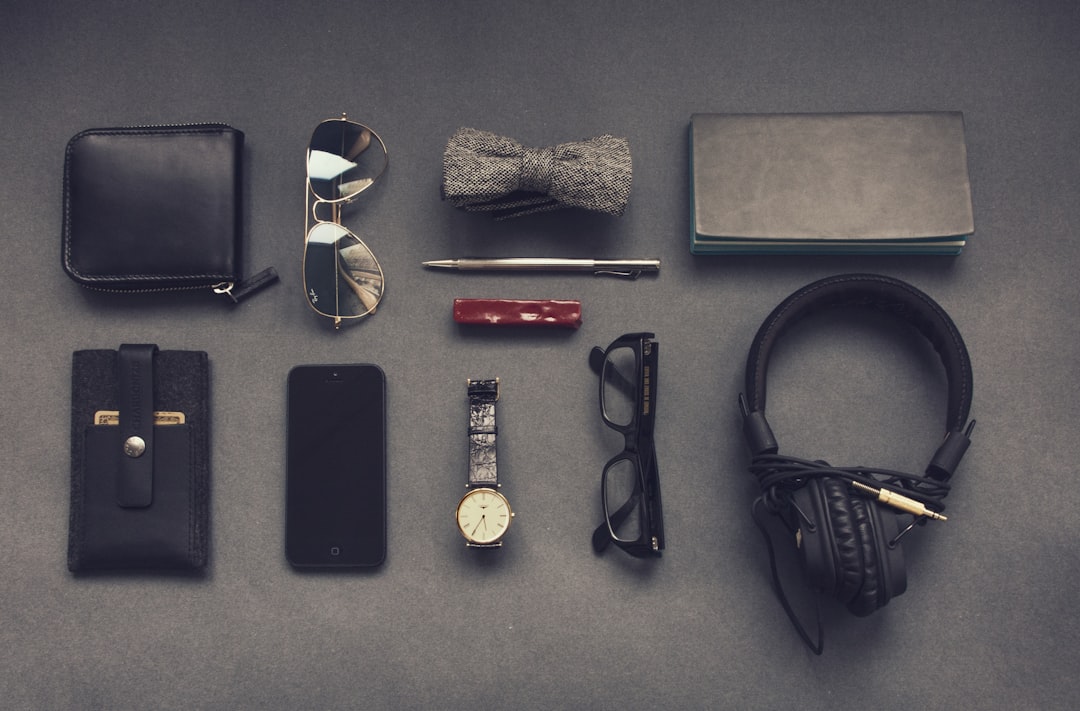
How to Accessorize Your Summer Look: Tips from the Pros

Community Spotlight: How Customers Style One Favorite Bag Three Ways

Fashion Forward: What the Latest Tech Trends Mean for Your Denim Shopping Experience
