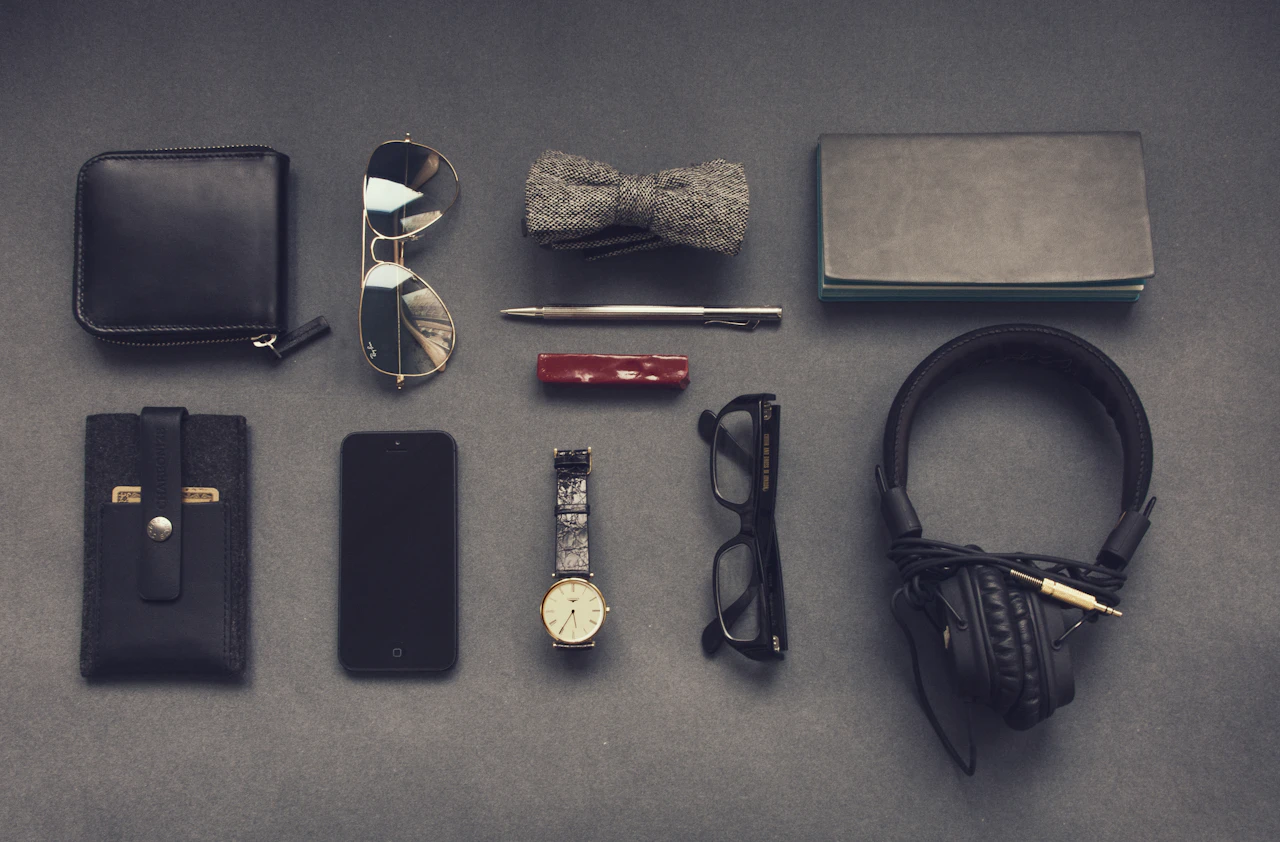
Accessories can make an outfit feel intentional, but choosing them does not have to be complicated. This step-by-step guide gives you a repeatable way to finish casual, work, evening, and streetwear looks using proportion, color, texture, jewelry, shoes, bags, and practical layers.
Overview
The most useful approach to accessorizing is to treat the outfit as a complete composition rather than adding items at random. Start with the clothing you are already wearing, identify what the look needs, and then add only the pieces that support that purpose. An outfit may need structure, contrast, warmth, polish, or simply one point of visual interest.
A simple finishing-touch order is:
- Check the silhouette. Notice whether your clothing is fitted, oversized, cropped, long, sharp, or relaxed.
- Choose the anchor accessory. This might be a bag, standout shoe, belt, scarf, watch, or piece of jewelry.
- Build supporting details. Add one or two smaller accessories that repeat a color, texture, shape, or level of formality.
- Check practicality. Make sure the shoes suit the walking involved, the bag holds what you need, and any layers work for the weather.
- Remove one item if the look feels crowded. Editing is often more effective than adding.
Think in terms of visual balance instead of strict matching. Shoes and bags can share a color family without being identical, and jewelry metals can be mixed when the combination looks deliberate. A neutral outfit can support bold accessories, while a printed or brightly colored outfit usually benefits from simpler finishing pieces.
Checklist by scenario
Casual everyday outfits
For jeans, relaxed trousers, simple knitwear, T-shirts, or casual dresses, use accessories to give the outfit shape and personality. Start with one practical anchor: a crossbody bag, clean sneaker, ankle boot, belt, or lightweight jacket. If the clothing is very relaxed, a structured bag or a belt can add definition. If the outfit already has strong structure, softer accessories such as a slouchy tote, scarf, or understated jewelry may create better balance.
- Choose shoes that support the day’s activity and the trouser or skirt length.
- Use a belt when the waist needs definition or when another accessory needs a visual connection.
- Add earrings, a watch, or a short necklace for polish without overbuilding the look.
- Repeat one clothing color in a small accessory rather than matching every item.
Work and polished outfits
Professional outfits benefit from controlled proportion and accessories that look intentional without competing with the clothing. A medium-sized structured bag, loafers, low heels, refined flats, or simple boots can establish the overall level of formality. Keep the most noticeable detail near the face or hands, such as earrings, a watch, a ring, or a neat scarf.
For a tailored blazer or wide-leg trousers, consider a compact bag or streamlined shoe to keep the silhouette clear. With a simple sheath dress or monochrome outfit, a belt, sculptural earrings, or a colored bag can provide interest. If the clothing includes a statement print, let the accessories echo one quiet color from the print instead of introducing several new ones.
Evening outfits
Evening accessories can be smaller but more distinctive. Choose whether the focal point will be jewelry, shoes, a bag, or the neckline, then keep the remaining pieces supportive. A small shoulder bag or clutch leaves the outfit visually clean, while metallic shoes or a textured bag can add depth to a plain dress or tailored set.
- Pair a detailed neckline with simpler earrings or skip a necklace.
- Use longer earrings when the neckline is open and the rest of the outfit is restrained.
- Choose a bag that fits essentials without disrupting the shape of the outfit.
- Repeat a metallic finish once or twice so the shine feels connected.
Streetwear and relaxed statement looks
Streetwear accessories often work through contrast: a compact bag with oversized layers, sleek sunglasses with utilitarian clothing, or refined jewelry with sneakers and denim. Start with the silhouette. If the outfit is voluminous, choose accessories with enough visual weight to avoid disappearing. A larger tote, substantial sneaker, cap, or bold chain can hold its place beside oversized garments.
When the outfit includes several graphic elements, simplify the color palette of the accessories. When the clothing is mostly neutral, a bright bag, colored shoe, patterned scarf, or distinctive eyewear can become the focal point.
Weather-led outfits
Seasonal accessories should solve a real comfort problem while supporting the outfit. In wet weather, choose practical shoes, a water-resistant bag when appropriate, and layers that do not overwhelm the base clothing. For cold conditions, coordinate the texture and volume of a coat, scarf, hat, and gloves rather than treating each as a separate statement. In warm weather, breathable fabrics, lighter bags, sunglasses, and simple jewelry can keep the look finished without adding visual heaviness.
For more ideas, see rainy-day outfit ideas that still look stylish.
What to double-check
Proportion
Accessories should relate to the scale of the outfit. A tiny bag may look lost beside a long oversized coat, while a very large bag can overwhelm a delicate dress. Balance large clothing with accessories that have some presence, and keep delicate clothing from being crowded by too many heavy pieces.
Color and texture
Use color repetition selectively. A shoe can pick up the tone of a belt, bag, print, or piece of jewelry without creating a perfectly coordinated set. Neutrals such as black, brown, cream, gray, navy, and denim can connect different colors, while texture adds interest when the palette is restrained. Leather, suede, metal, knit, canvas, and woven materials each create a different mood.
If you are unsure which shades work together, review these clothing color combinations and apply the same principle to bags, shoes, and jewelry.
Metal mixing
Gold, silver, and other metallic finishes can be worn together. To make the mix look intentional, repeat one metal, place mixed pieces near each other, or use a connector item such as a watch or necklace that already combines finishes. You do not need every metal to match, but unrelated finishes can feel accidental when they appear only once.
Bag and shoe coordination
A bag and shoes should usually agree on formality, even when their colors differ. For example, a refined bag may work with loafers, boots, or clean sneakers depending on the rest of the outfit, while a very casual canvas tote may feel disconnected from formal heels. Matching color is optional; matching the overall mood is more important. For a deeper guide, read how to match shoes and bags without looking too coordinated.
Function
Before leaving, test the practical details. Can you carry the bag comfortably? Are the shoes suitable for the distance you will walk? Will a necklace catch on the neckline or a bracelet interfere with your sleeves? The most stylish choice is rarely useful if it makes the day uncomfortable.
Common mistakes
- Adding accessories without choosing a focal point: Decide whether the main emphasis is the bag, shoes, jewelry, eyewear, or a layer.
- Matching everything exactly: Use related colors and textures instead of identical sets to create a more natural result.
- Ignoring the neckline: A necklace should work with the neckline’s shape and scale. A busy neckline may need earrings instead.
- Overlooking the hemline: Shoe height, shaft length, and toe shape affect how trousers, skirts, and dresses fall.
- Layering jewelry by quantity alone: Vary chain lengths and keep a clear focal point. A good jewelry stack needs spacing as well as pieces.
- Choosing accessories only for appearance: Weather, movement, comfort, and what you need to carry should guide the final decision.
- Adding a statement item to an already busy outfit: When prints, logos, or strong colors are competing, simplify the accessories.
For specific jewelry combinations, use this jewelry layering guide. If the outfit needs definition at the waist, a well-chosen belt may make a larger difference than several small additions.
When to revisit
Return to this checklist at the start of each season, when your daily routine changes, or when you reorganize your wardrobe. Seasonal changes may affect which shoes, bags, scarves, hats, and layers are practical. A new commute, workplace dress code, travel plan, or social schedule may also reveal that your current accessories are not serving the way you dress.
Use a short wardrobe review to identify gaps rather than shopping broadly:
- Choose three outfits you wear often.
- Write down which accessory each outfit is missing: structure, color, warmth, polish, or practicality.
- Check whether an existing item can fill that role in more than one outfit.
- Prioritize versatile pieces that work with your current wardrobe essentials.
- Test the new combination at home, including movement, comfort, and storage needs.
Before you leave, ask: What is the focal point? Is the proportion balanced? Do the colors or textures relate? Are the bag and shoes right for the occasion? Can I move comfortably? If the answers are yes, the outfit is finished. For additional outfit planning, explore how to choose the right bag for every outfit and occasion and build from the pieces you already wear most.


