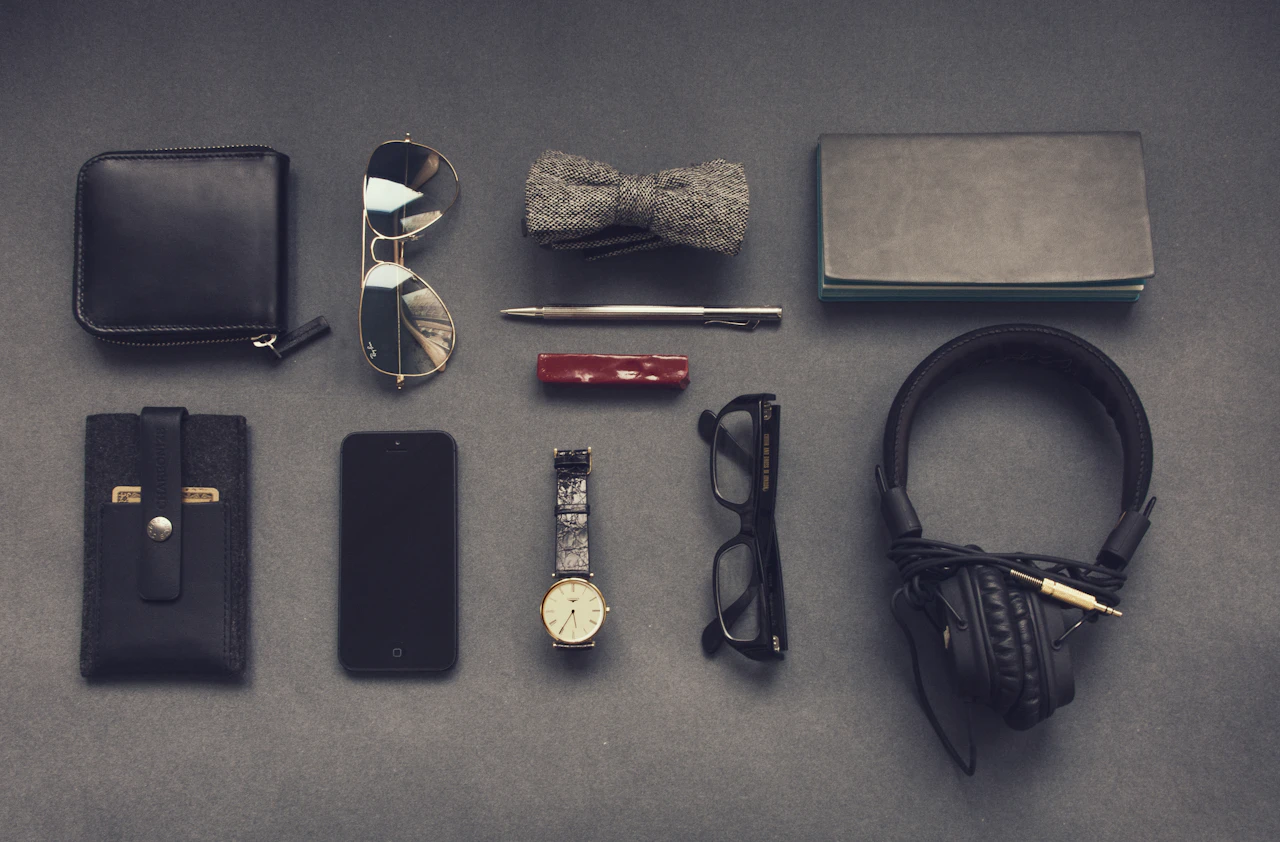
Accessories are the punctuation marks of fashion: the tiny details that change the sentence. This definitive guide teaches you how to mix-and-match jewelry and accessories to express your individuality, boost style confidence, and create fresh, buyable looks without the guesswork. Whether you’re building a capsule of timeless pieces or experimenting with bold, unexpected combinations, this guide gives practical systems, styling recipes, and shopping strategies so you can accessorize with intention.
The Mix-and-Match Mindset: Why Systems Beat Random Buys
Why a mindset matters
Too many accessories feel like clutter because they were bought without a plan. Adopting a mix-and-match mindset means thinking in sets, contrasts, and repeatable rules. A small, well-curated kit of key pieces lets you make dozens of outfits — it’s the same principle that powers seasonal capsules and curated bundles. For help planning capsule-style wardrobes for travel and multi-city itineraries, see our guide on Unlocking Multi-City Itineraries, which applies directly to packing accessories for trips.
Personal expression vs. trends
Trends are fun, but your signature comes from repeatable elements (a preference for gold hoops, vintage scarves, or layered chains). Balance trend picks with core staples that work across seasons. If styling feels overwhelming, grounding your routine in wellness can help: our piece on Championing Inner Beauty shows how mindset supports consistent routines — including how you dress.
Overcoming choice anxiety
Decision fatigue is real. Simple rules — limit to three focal points, vary texture not color, or always pair a metal earring with a contrasting necklace — reduce anxiety. If stress impacts your daily choices, practical stress-handling strategies from The Impact of Emotional Turmoil can help you make clearer fashion decisions.
Building a Core Jewelry Collection
Essential metals and materials
Start with metals: classic yellow gold, warm rose gold, bright silver, and matte gunmetal (or blackened) form a versatile palette. Add one or two materials for texture — pearl, enamel, or beaded elements — and consider sustainability choices like recycled metals. For unexpected staples beyond jewelry, cotton accessories (scarves, headbands) remain foundational; our savings guide on Score Big Savings on Cotton Products is useful when sourcing everyday fabrics.
Chain types and lengths
Chains determine silhouette: chokers anchor the neckline, short chains (16-18") sit at collarbones, and long pendants elongate. Mix chain thicknesses: a delicate 1mm chain pairs beautifully with a bold 3-4mm curb chain. Keep a consistent metal undertone for instant polish or intentionally mix metals for a fashion-forward edge.
Statement pieces vs. workhorses
Workhorses are your daily studs, simple hoops, a plain band ring, and a classic watch. Statement pieces — oversize cuff, bib necklace, sculptural ring — punctuate outfits for occasions. Plan 70/30: 70% functional pieces, 30% statements that you rotate seasonally.
Layering, Stacking, and Pairing Techniques
Necklace layering — the golden rules
Layering is about contrast and rhythm. Combine at least three lengths, vary pendant sizes, and alternate textures. A trick: anchor with one necklace that has a distinct focal point (a pendant or charm) then add two supporting chains to create depth. If you want to visualize combinations before buying, leverage visual search tools like the guide on Visual Search: Building a Simple Web App to prototype looks from product images.
Stacking rings and bracelets
Stacking works on repetition and scale. Use slim rings to create rhythm, punctuated with one sculptural signet or colored stone. For bracelets, mix rigid bangles with flexible chains. Keep at least one unifying thread — metal tone or shared motif — so stacks read as intentional, not accidental.
Mixing metals and materials
Mixing metals is a modern default: warm gold with cool silver creates visual richness. Introduce beads or leather to soften metallic rigidity. If you produce content or short videos to show these pairings, platforms and tools discussed in Maximizing Your Video Marketing and creative AI workflows in Harnessing AI for Dance Creators can help you present mixes that inspire purchases.
Color, Scale, and Proportion: Visual Rules That Work
Color harmony for accessories
Think of accessories like accent colors in interior design. A pop of turquoise against a neutral outfit reads more purposeful than random color clashing. Use the color wheel: complementary colors create contrast; analogous palettes create harmony. For inclusive styling across cultural aesthetics, references like Inspiring Style: How Modest Fashion Connects Generations reveal how color and coverage work together in different wardrobes.
Scale: small vs. statement
Match accessory scale to garment scale: delicate jewelry suits intricate fabrics; bold accessories resist heavy prints. If wearing structured outerwear, larger necklaces or earrings will be visible and impactful. Conversely, for busy patterns, choose streamlined metalwork to avoid visual competition.
Proportion for body types and outfits
Proportion rules can be adapted: long torsos benefit from vertical pendants; shorter necklines benefit from wider collars. But rules are starting points — test, photograph, and refine. If you struggle to balance style and physical comfort, mental clarity and rest are important; start with advice in Finding Balance to build confidence in wearing what you love.
Accessorizing for Occasions: Travel, Work, Events
Day-to-night transitions
Design transitions that require one or two swaps: swap studs for chandelier earrings, add a cuff, or shorten a necklace. Keep a small emergency kit in your bag — portable polish cloth, spare earring backs, and a compact chain extender. For event planning and positioning your looks, see ideas in Event Marketing Strategies which translate well to personal event dressing.
Travel-friendly capsule accessories
Travel capsules prioritize multifunctionality. Choose convertible necklaces (adjustable lengths), hoop earrings that stack with cuffs, and a lightweight scarf that acts as a headwrap or belt. For trip curation and city-specific packing, the multi-city guide Unlocking Multi-City Itineraries helps you think in combinations rather than single-use items.
Event-specific cues: weddings, work, cultural contexts
Match formality: polished metals and pearls for weddings, sculptural elements for gallery openings, and muted, professional pieces for work. When traveling for culturally specific events — for example, visiting Dubai — take cues from local style and layering conventions in Exploring Dubai's Hidden Gems to respect aesthetics and climate.
Smart Shopping: Bundles, Sales, and Reducing Returns
How to shop bundles and multipiece discounts
Bundles are the fastest way to buy mix-and-match sets that already coordinate. Look for curated kits with clear imagery showing multiple wearing options. To maximize sale timing and money management, consult our shopping strategy guide Make Your Money Last Longer for timing, stacking discounts, and comparing price-per-piece.
Returns, sizing, and e-commerce confidence
Returns are a major pain point when buying multiple pieces across brands. Recent changes in the returns ecosystem affect the buyer experience — read about industry shifts in The New Age of Returns to better understand policies and how insurance/route-like providers influence refunds and exchanges.
Services that help — styling and beauty bookings
If you want professional help, local stylists and beauty services can shortcut trial-and-error. Booking platforms and beauty-business strategies are discussed in Maximizing Beauty Service Bookings, which explains how to find local pros, read reviews, and sequence looks with treatments like color or fragrance consultations.
Confidence & Personal Expression: Wearing It Without Apology
Finding your signature devices
Your signature can be a recurring detail — always wearing a signet ring, pairing scarves with stacked necklaces, or favoring asymmetric earrings. Repeatability builds recognition and reduces daily friction; it’s a personal brand. If stress undermines your style choices, revisit mental-wellbeing strategies in Championing Inner Beauty and calming practices in The Impact of Emotional Turmoil.
Overcoming self-doubt and criticism
Self-consciousness often stops people from experimenting. Start small: wear a bold ring with a neutral outfit, take a photo, and note how it feels. Gradual exposure builds confidence. If you’re juggling time and energy, a rest-and-reflect approach in Finding Balance will help you prioritize looks that matter.
Using accessories to tell a story
Accessories tell stories: a heritage pin nods to family history, a woven bracelet signals travel. Curate items that reinforce the story you want — and rotate them based on context. For cross-cultural inspiration, read Bridging Cultures to see how motifs move between contexts and inspire new combinations.
Practical Styling Guides: 12 Look Recipes You Can Copy
Minimal Luxe
Outfit: monochrome blazer + high-waist trousers. Accessories: thin gold hoop, single chain, rectangular watch, minimalist ring. Keep finishes consistent for an elevated but effortless look.
Boho Eclectic
Outfit: flowing dress + denim jacket. Accessories: layered beaded necklaces, mixed-metal bangles, stacked rings, wide brim hat. Mix patterns and textures for curated chaos.
Streetwear Remix
Outfit: graphic tee + cargo pants. Accessories: bold chain, signet ring, mini crossbody, beanie. If you create short form styling videos for social, techniques covered in Harnessing AI for Dance Creators and video marketing tips in Maximizing Your Video Marketing help you capture movement and detail.
Care, Maintenance, and Storage
Cleaning tips by material
Gold and silver need different care: silver tarnishes and benefits from anti-tarnish pouches; plated pieces need gentle cleaning and avoid abrasive solutions. Pearls and organic materials require damp cloths only. If you’re buying natural-fiber accessories like cotton scarves, our guide on cotton market trends (Score Big Savings on Cotton Products) is a good reference for sourcing and care.
Travel storage and quick fixes
Compact roll organizers with labeled pockets keep chains from tangling. Bring a small polishing cloth, spare earring backs, and a thin roll-up jewelry organizer. When traveling long-haul or across climates, think scent and humidity: seasonal scent pairing advice in Scent Seasons can inform how you store fragrance and fabric items.
Organizing for visibility
Store pieces where you see them: open trays, hooks, and framed shadow boxes turn accessories into decor and remove decision friction. For digital organization — wishlists, style boards, and email alerts — adaptations to platform tools in Gmail's Changes can help you manage alerts from favorite stores.
Pro Tip: Start each week by planning three outfits around a single accessory. Treat the accessory as the week's 'hero' and build around it to improve cohesion and reduce decision fatigue.
Comparison Table: How to Choose Accessories for Mix-and-Match
| Accessory Type | Best Use | Mix-and-Match Strengths | Care/Cost | Styling Tip |
|---|---|---|---|---|
| Earrings | Face framing, focal point | High — swap sizes to change vibe quickly | Medium care; varied price range | Pair studs with layered necklaces for balance |
| Necklaces | Neckline shaping, elongation | Very high — layering multiplies looks | Low-medium care; durable chains last | Vary lengths and textures for depth |
| Rings | Detail at hands, close-up interest | High — stacks create rhythm | Low care; risk of wear on plated pieces | Mix thin bands with one statement ring |
| Bracelets | Wrist movement, casual polish | Medium — can clutter if overdone | Low-medium care; some metals tarnish | Anchor with a cuff and add delicate chains |
| Scarves & Hats | Color, texture, seasonality | High — versatile and multi-use | Low care for cotton; higher for silk | Use as belts, headbands, or bag accents |
Tools and Tech to Visualize and Shop Confidently
Visual search and prototypes
Visual search tools let you upload an image and find similar items, invaluable for recreating a look from inspiration. Developers and creators can build simple visual search workflows; see the practical guide on Visual Search to start prototyping your own tool for outfit matching.
Short-form video and lookbooks
Short styling clips demonstrate movement and scale better than static photos. For production tips and cost-saving options, consult our video marketing guide at Maximizing Your Video Marketing and creative augmentation strategies in The Future of AI in Development to improve thumbnails and captions.
Email alerts, lists, and curated bundles
Organize your shopping with targeted alerts and curated lists; platform changes matter. If you use Gmail for alerts and newsletters, updates in Gmail's Changes will affect how you receive promotional bundles and restock notices.
FAQ — Common Questions About Mix-and-Match Styling
1. Can I mix gold and silver without looking mismatched?
Yes. Modern styling embraces mixed metals. Anchor the look with one dominant tone or repeat a small motif (like a pearl or bead) across pieces to unify the mix.
2. How many statement pieces are too many?
Aim for one primary statement (bold necklace or oversized earring) and one supporting accent. Too many statements compete visually and reduce the overall impact.
3. What's the fastest way to build a mix-and-match kit?
Start with five workhorses (studs/hoops, short chain, long chain, cuff/bracelet, signature ring) and add 2–3 seasonal statements each quarter. Bundles and curated packs can accelerate this; see our advice on shopping during promotions in Make Your Money Last Longer.
4. How do I minimize returns when buying jewelry online?
Buy from retailers with clear size guides, multiple photos, and lenient return policies. Industry changes in returns processing are discussed in The New Age of Returns.
5. Are costume pieces worth investing in?
Costume jewelry can provide trend-driven refreshes at low cost. Treat them as disposable fashion: enjoy for a season, then donate or recycle. Keep your investment pieces for long-term use.
Putting It All Together: A 30-Day Mix-and-Match Challenge
Commit to wearing accessories intentionally for 30 days. Week 1: Build a core set and photograph looks. Week 2: Practice layering rules and create three go-to combos. Week 3: Introduce one statement and test day-to-night transitions. Week 4: Audit what you actually wore and refine. Use visual search and lookbook tools to document combinations and, if you’re shopping during sales, follow timing strategies from Make Your Money Last Longer to buy discounted add-ins.
Final Notes: Style Is Practice, Not Perfection
Accessorizing with confidence comes down to three things: rules that guide decisions, a small set of reliable pieces, and the willingness to experiment. Use the systems in this guide to reduce overwhelm, create repeatable outfits, and express your personal story through jewelry. For cultural inspiration and ways motifs travel, see Bridging Cultures and for event-based styling inspiration, Event Marketing Strategies offers translatable lessons. Finally, if you’re designing content or tools to shop smarter, practical development and creative tech tips in Visual Search and The Future of AI in Development will be useful companions.
Related Reading
- Winning Deals: How to Shop Smart Before Major Sporting Events - Timing and strategy for big seasonal shopping moments.
- Top 5 Tech Gadgets That Make Pet Care Effortless - Unrelated niche inspiration for lifestyle-minded shoppers.
- The Ultimate VPN Buying Guide for 2026 - Practical tech guidance for privacy-conscious shoppers.
- Iconic Women’s Super League Firsts - Sports culture and trailblazing stories that inspire signature style choices.
- Prebiotics for Picky Eaters - Culinary creativity ideas to pair with seasonal scent and styling rituals.



