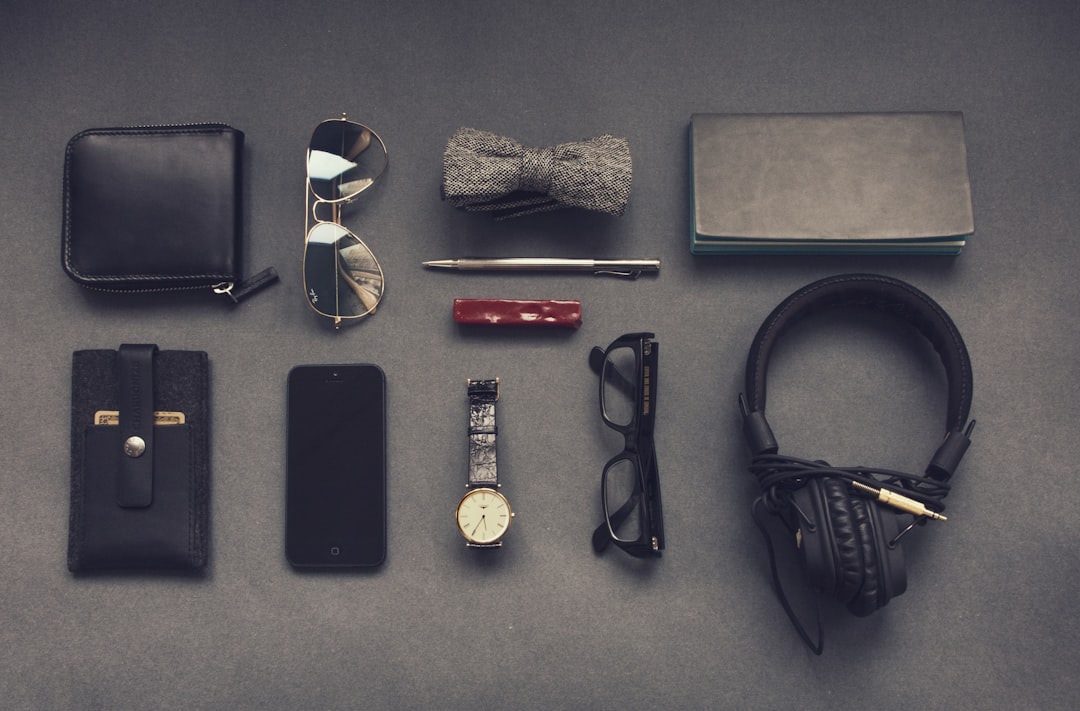
A versatile wardrobe is easier to use when you rely on repeatable outfit formulas instead of starting from scratch each morning. This guide shows you how to build mix-and-match outfits from wardrobe essentials, add personality with color and accessories, and use a practical checklist for workdays, weekends, travel, weather changes, and special plans.
Overview
The goal of a mix-and-match wardrobe is not to own as little as possible. It is to make more of what you already own by choosing pieces that work across several outfits, settings, and seasons. A useful wardrobe usually includes a balance of dependable basics, comfortable layers, distinctive pieces, and shoes that support your daily routine.
Start by organizing your closet into five working categories:
- Foundations: T-shirts, tanks, shirts, simple knitwear, jeans, trousers, skirts, and neutral dresses.
- Layers: Cardigans, overshirts, blazers, denim jackets, lightweight coats, and weather-ready outerwear.
- Statement pieces: Printed tops, colorful trousers, textured skirts, standout jackets, or occasion-ready dresses.
- Shoes: A comfortable everyday pair, a polished option, weather-appropriate shoes, and one style that adds personality.
- Finishing pieces: Belts, bags, jewelry, scarves, sunglasses, and other accessories that change the mood of an outfit.
A simple outfit formula can be written as base + layer + shoes + finishing detail. For example, straight-leg jeans, a fitted knit, a relaxed blazer, loafers, and a belt create a polished casual look. Swap the blazer for a denim jacket and the loafers for clean sneakers, and the same base becomes more relaxed. This is the core of how to style outfits efficiently: change one or two components rather than replacing everything.
For a deeper wardrobe plan, compare this approach with the 30-piece capsule wardrobe guide or the 12-piece everyday capsule wardrobe guide.
Checklist by scenario
Everyday casual outfits
For reliable casual outfit ideas, begin with one comfortable base and add structure through a layer or accessory. Try one of these formulas:
- Jeans + fitted T-shirt + cardigan + low-profile sneakers.
- Wide-leg trousers + tucked tank or tee + cropped jacket + sandals or sneakers.
- Casual dress + lightweight overshirt + ankle boots or flat shoes.
- Leggings or relaxed trousers + longer knit + structured crossbody bag.
Before leaving, check that the outfit has visual balance. If the trousers are loose, a more defined top or a tucked-in front can create shape. If the top is oversized, consider a straighter or slimmer bottom. The aim is not to follow a strict body rule; it is to make the proportions feel intentional.
Work and polished daytime outfits
Use a dependable neutral base, then choose one element that communicates your personal style. Possible formulas include:
- Tailored trousers + fine-gauge knit + blazer + loafers.
- Midi skirt + tucked shirt + cardigan or jacket + low heel.
- Simple dress + belt + structured bag + polished flats.
- Dark jeans, where appropriate + crisp shirt + blazer + ankle boots.
Keep a practical test in mind: can you sit, walk, carry your bag, and move comfortably? A polished outfit that requires constant adjustment will not serve an ordinary workday. For accessories, one structured bag, a belt, or a small jewelry combination may be enough. See the step-by-step accessories guide for more ways to finish a look without overloading it.
Weekend and street-style outfits
Relaxed outfits can still have a clear point of view. Combine one casual foundation with a sharper or more directional piece:
- Relaxed jeans + graphic or plain tee + tailored coat + sneakers.
- Utility trousers + fitted top + bomber or denim jacket + substantial shoes.
- Long skirt + sweatshirt or knit + belt bag or shoulder bag.
- Monochrome base + bright sneakers, bag, or outer layer.
Street style outfits often feel considered because of contrast: refined with casual, fitted with oversized, or neutral with a bold accent. Choose one contrast at a time if you prefer a quieter look.
Travel and packing
For travel, select a limited color palette and make every item work with at least two others. A useful packing checklist is:
- Two or three tops in compatible colors.
- One comfortable bottom and one alternative silhouette.
- One layer for temperature changes.
- One versatile shoe for walking and one optional polished pair.
- A compact bag, belt, and jewelry combination.
- One statement item that makes repeat outfits feel different.
Wear the bulkiest shoes or outer layer during transit when practical. Before packing, lay out complete outfits rather than counting isolated pieces. If an item works only once, consider leaving it behind unless it serves a specific occasion.
Rainy or changeable weather
Build the outfit from the weather outward. Choose a water-resistant outer layer, shoes with a practical sole, and fabrics that are comfortable if temperatures shift. A simple formula is straight-leg trousers, a breathable knit, a waterproof jacket, and a closed-toe shoe. For more ideas, use the rainy-day outfit guide. Keep delicate bags, trailing hems, and suede shoes for a drier day when possible.
What to double-check
Before buying something new or committing to an outfit, run through this quick checklist:
- Color compatibility: Can the item work with at least two colors already in your wardrobe? Neutrals such as black, navy, cream, gray, brown, or denim are useful, but a muted green, burgundy, or blue can also act as a repeatable anchor.
- Silhouette balance: Does the shape complement the other pieces, or does every item have the same volume and length?
- Layering: Can you add or remove a layer without ruining the outfit?
- Comfort: Are the fabric, waistband, straps, and shoes suitable for the amount of walking or sitting involved?
- Accessory plan: Is there a bag, belt, jewelry combination, or scarf that completes the look?
- Care requirements: Will the item fit realistically into your laundry and garment-care routine?
- Cost per use: If you are shopping, can you name several occasions and existing pieces that the item will support?
Color combinations clothing does not need to be complicated. Try a tonal outfit in different shades of one color, a neutral base with one bright accent, or two neighboring colors with a neutral layer. If you are unsure, photograph two or three combinations in natural light. The images can reveal proportion and color balance more clearly than a quick mirror check.
For finishing details, avoid assuming shoes and bags must match exactly. Repeating a color, texture, or level of formality is usually enough. The guide on matching shoes and bags without looking too coordinated offers a useful framework.
Common mistakes
Buying isolated statement pieces
A striking item can be worthwhile, but it should connect to the rest of your wardrobe. Before purchasing, identify at least three complete outfits using pieces you already own. If you cannot, treat it as an occasional purchase rather than a wardrobe essential.
Owning basics without enough variation
A closet full of plain tops and bottoms may still feel difficult to wear if all the silhouettes are identical. Add variation through texture, length, structure, or one controlled color accent. A crisp shirt, ribbed knit, relaxed jacket, or textured bag can create distinction without making the wardrobe complicated.
Ignoring shoes and accessories
Shoes and accessories can determine whether an outfit reads as casual, polished, practical, or evening-ready. Plan them at the same time as the clothing. For jewelry combinations, consult this jewelry layering guide; for bags, use the guide to choosing the right bag for each occasion.
Chasing every trend
Fashion trends can refresh a wardrobe, but they do not need to replace its foundation. Add trends through a small accessory, a current shoe shape, a color, or one layer that works with your existing formulas. For a more selective approach, see the guide to shoe trends worth buying and passing on.
Planning only for ideal weather
Outfits should reflect your actual week, including rain, temperature changes, commuting, errands, and busy days. A beautiful formula that fails under real conditions will not become a wardrobe favorite.
When to revisit
Review your wardrobe at the start of each major season, before a trip, and whenever your schedule or daily environment changes. You do not need a full closet reset. Instead, use a focused update:
- Remove pieces that need repair, cleaning, tailoring, or replacement.
- Move seasonally appropriate layers and shoes into easy reach.
- Choose three outfit formulas that suit the coming weeks.
- Photograph successful outfits so you can repeat them quickly.
- Note one genuine gap, such as a weatherproof shoe, versatile layer, or work-appropriate bag.
- Shop only after checking whether the gap can be solved by styling an existing item differently.
Keep a short outfit-planning checklist in your phone or wardrobe notes: occasion, weather, base, layer, shoes, bag, accessory, comfort check. Revisit it when your lifestyle changes, when a season begins, or when you notice that you are repeatedly reaching for the same few pieces. Small, deliberate adjustments will usually make a mix-and-match wardrobe more useful than a complete replacement.
If you want to explore a more refined, budget-conscious direction, the quiet luxury on a budget guide can help you build outfits around timeless pieces, restrained color, and thoughtful finishing details.